


In this article
Introduction
If you`ve recently noticed a shift in how Ofsted assesses nurseries and schools, you`re not imagining things—it’s real and impactful. From November 2025 onward, Ofsted is rolling out sweeping changes to its inspection framework. These are meant to give parents more meaningful feedback and hold settings to higher, more thoughtful standards. But what do these shifts actually mean for your child’s early years setting?
Let’s break it down in a way that helps you understand the facts, what’s coming, and how it affects your nursery-choice journey.
Get Free Personalized Nursery Support
- Find Your Nursery Type
- Find Nearby Nurseries
- Find Funding Eligibility
Find Funding Eligibility
(Coming Soon)
What Has Changed?
1. New-look Ofsted “Report Cards” with a 5-Point Scale
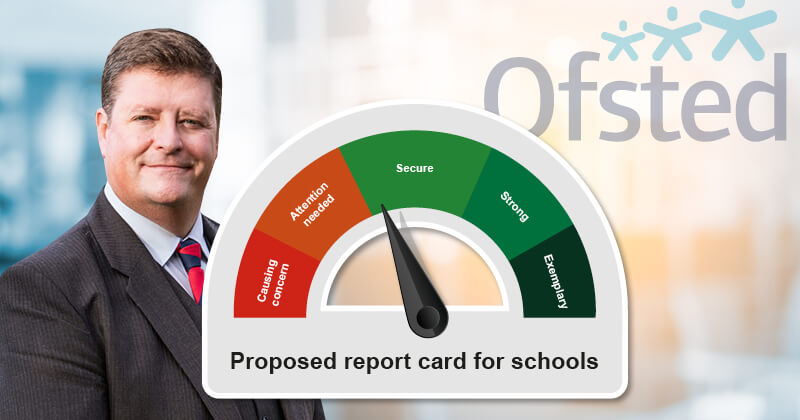
Ofsted is scrapping the traditional single-word ratings like Outstanding or Good. Instead, settings will now be graded across multiple areas using a new 5-point scale—’Exceptional’, ’Strong Standard’, ’Expected Standard’, ’Needs Attention’, and ’Urgent Improvement’.
These report cards are colour-coded and break down performance across categories such as:
- Curriculum & Teaching
- Inclusion
- Leadership & Governance
- Behaviour & Welfare
- Achievement
- Attendance (where relevant) and a separate grade for Safeguarding, marked simply as Met or Not Met.

2. Nurseries Will Be Inspected More Often
Previously, nurseries were inspected roughly every 6 years. Now, that frequency increases to every 4 years, helping ensure ongoing quality of care and learning experiences.
3. Focus on Inclusion
Every inspection will now include a dedicated evaluation of how well a nursery supports disadvantaged children, those with SEND, or known to social care. The goal is to make sure these children are front and centre of inspection priorities.
4. Better Transparency, Parents Welcome the Change
Ofsted didn’t act on a whim. The new structure follows extensive consultation. A YouGov survey found nearly 70% of parents prefer the report card format over the old system, and almost 90% said the cards were easy to understand.
Why It Matters to You (and Your Child)
Clarity Over Vagueness
A single label like Good could mask weaknesses in important areas like safeguarding or inclusion. The new format gives a clearer, more actionable picture of each area, so you see strengths and where improvements are needed.
No More One-Size-Fits-All
Settings used to get a broad overall rating—now you’ll see differentiated scores that may reflect specific areas such as leadership, care, or equity. That nuance can help guide your choice more precisely.
Imagine two nurseries: both previously rated Good. Now, one may have “Strong Standard” in safeguarding but “Needs Attention” in inclusion; the other could show the opposite. Those differences matter depending on your child’s needs.
Accountability with Support
Nurseries that fall short in certain categories—like “Needs Attention”—will receive monitoring inspections to make sure improvements happen quickly. The system is not just about grading—it’s about supporting progress too.
Inclusivity Is Front and Centre
If your child has additional needs, or you`re conscious of equitable provision, you’ll see how a nursery performs on inclusion explicitly. That’s reassuring—and essential for many families.

What to Look for When Choosing a Nursery (Post-Changes)
If you’re evaluating nurseries:
- Ask to see their new-style report card. What scores did they get? Where do they excel, and where are they working to improve?
- Pay attention to the inclusion grade. It’s now a designated category—ask how they support vulnerable learners.
- Note the inspection frequency. A recent inspection may reveal up-to-date performance, but a setting not due until later especially one rated Exceptional—might still offer great experience.
- See how transparency is embraced. A nursery that welcomes discussion of its strengths and areas to improve is a good sign of professional maturity.
Key Takeaways
- A five-point grading system replaces outdated labels. Now you see more than a single overall judgment.
- Report cards cover multiple vital areas—safeguarding, inclusion, teaching, leadership, and more.
- Inspections are more frequent, especially in early years (every 4 years).
- Focus on inclusion and face-to-face transparency are high-priority changes.
- Most parents find the new format clearer and more helpful.



John Doe