


In this article
Introduction
Choosing a nursery is one of the biggest decisions you’ll make in your child’s early years. It’s not just about finding somewhere with space — it’s about finding the right environment where your child will feel safe, happy, and inspired to learn.
With so many options out there, how do you know what makes a nursery great? To help, we’ve pulled together a simple checklist that covers the things parents often look for (and sometimes forget to ask).
1. Warm and Welcoming Staff
The best nurseries feel friendly the moment you walk in. Staff should:
- Greet you warmly and take an interest in your child.
- Get down to children’s level when talking to them.
- Be happy to answer questions without rushing you.
Trust your instincts here — if the staff seem genuinely caring, your child is more likely to feel settled.
Get Free Personalized Nursery Support
- Find Your Nursery Type
- Find Nearby Nurseries
- Find Funding Eligibility
Find Funding Eligibility
(Coming Soon)
2. Safety and Cleanliness
Look around:
- Are the rooms clean, tidy, and child-proofed?
- Is there secure entry and sign-in/out procedures?
- Do staff follow good hygiene practices (e.g. handwashing, nappy changes)?
A great nursery balances safety with freedom — secure enough to keep children safe, but
not so restrictive that they can’t explore.

3. Ofsted Rating and Reputation
In England, all nurseries are inspected by Ofsted. Ratings range from Outstanding to Inadequate. While the rating isn’t everything, it gives a good indication of quality.
Don’t just rely on Ofsted, though. Talk to other parents, read reviews, and see how the nursery responds to feedback.
4. Learning Through Play
A strong nursery will follow the EYFS framework but in a playful, engaging way. Look for:
- Lots of hands-on play with blocks, role-play, and outdoor activities.
- Opportunities for messy play, creative arts, and exploration.
- Children leading their own play, with staff joining in to extend learning.
Play is how young children learn best — a great nursery knows this.
5. Outdoor Space
Fresh air and outdoor play are vital. Ask:
- How often do children go outside?
- Is there a garden or access to outdoor trips (parks, nature walks)?
- Are activities varied (not just running around, but also planting, exploring, and problem-solving)?
6. Clear Communication With Parents
A nursery should feel like a partner in your child’s development. Signs of good communication include:
- Daily updates (verbally, in an app, or a diary).
- Willingness to discuss progress and concerns openly.
- Clear policies on sickness, behaviour, and safeguarding.
7. Healthy Food and Mealtimes
Nutrition is a big part of the day. Ask:
- Are meals freshly prepared on site, or delivered?
- Do menus rotate and cater for allergies, cultural needs, and preferences?
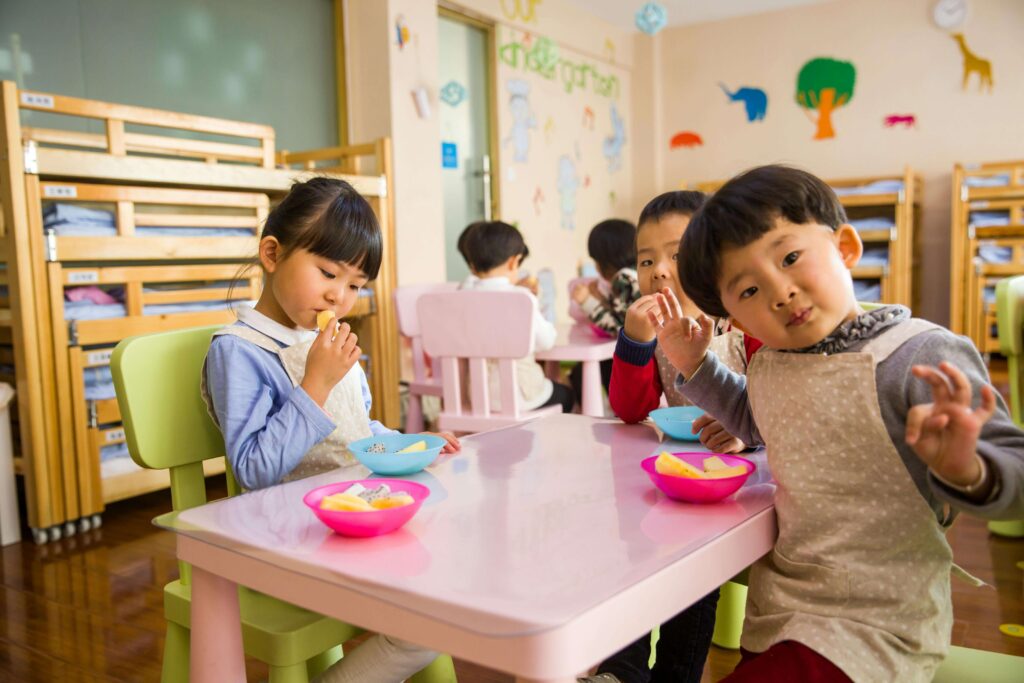
- Do children eat together, with staff modelling good table manners?
8. Ratios and Key Person System
Quality care comes down to ratios — how many children each adult is looking after. Legal minimums are:
- 1:3 for under 2s
- 1:4 for 2–3 year olds
- 1:8 for 3+ year olds
Great nurseries often staff above these ratios. They’ll also have a key person — a member of staff who builds a special relationship with your child, helping them feel secure.
9. Flexibility and Transparency on Fees
Ask for a clear fee structure:
- What’s included (meals, nappies, activities)?
- How are the 15 or 30 hours funded childcare applied?
- Are there additional charges for late pick-ups or holiday clubs?
The best nurseries are upfront about costs and happy to explain them.
10. That “Gut Feeling”
Finally, listen to your instincts. If you walk away feeling reassured, chances are your child will too.
A great nursery is one where your child feels safe, happy, and excited to come back the next day.
Quick Parent’s Checklist
Here’s a summary of questions to ask on a visit:
- Do the staff seem warm, caring, and engaged with the children?
- Is the environment safe, clean, and stimulating?
- What’s the Ofsted rating, and what do other parents say?
- How is learning through play encouraged?
- What outdoor opportunities are there?
- How do they keep parents informed?
- What’s included in the fees, and are they transparent?
- How do they support your child’s emotional wellbeing?
By keeping this checklist handy, you’ll feel more confident about spotting a nursery that’s not just good on paper, but right for your family. And remember — Woddle makes this easier by letting you compare nurseries side by side, so you can see all the key info before you book a visit.


John Doe